Backend Synergies Reshaping Bonus Activation Sequences Across Multi-Platform Casino Networks
Rosa Schmitt · Jul 20, 2026
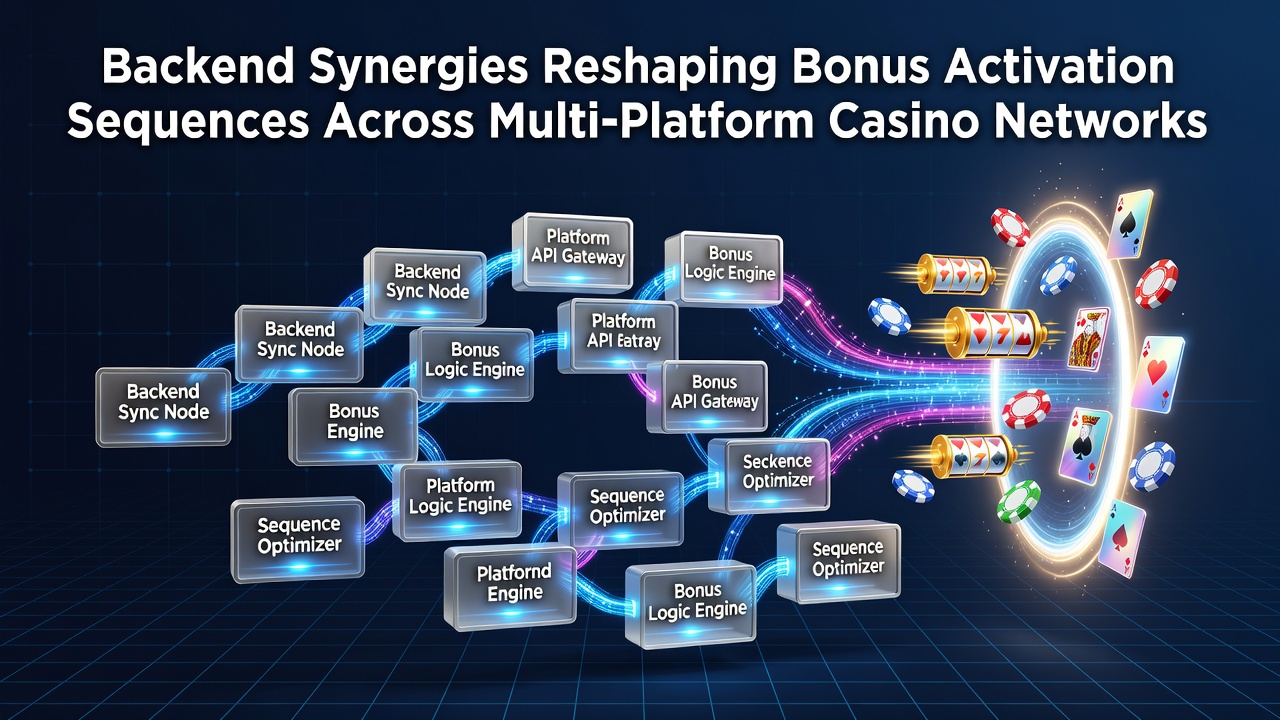
Backend Synergies Reshaping Bonus Activation Sequences Across Multi-Platform Casino Networks
Backend synergies have begun to transform how bonus activation sequences operate across multi-platform casino networks, and data from integration reports shows these changes stem from unified server architectures that link disparate systems together. Network operators have deployed shared databases and API frameworks to coordinate reward triggers, which means a player starting a session on a mobile app can trigger the same sequence parameters when switching to a desktop client without manual resets. In July 2026 several large operators completed phased rollouts of these protocols, and figures from platform logs indicate activation consistency rates climbed above 98 percent on connected properties.
Core Components Driving the Shift
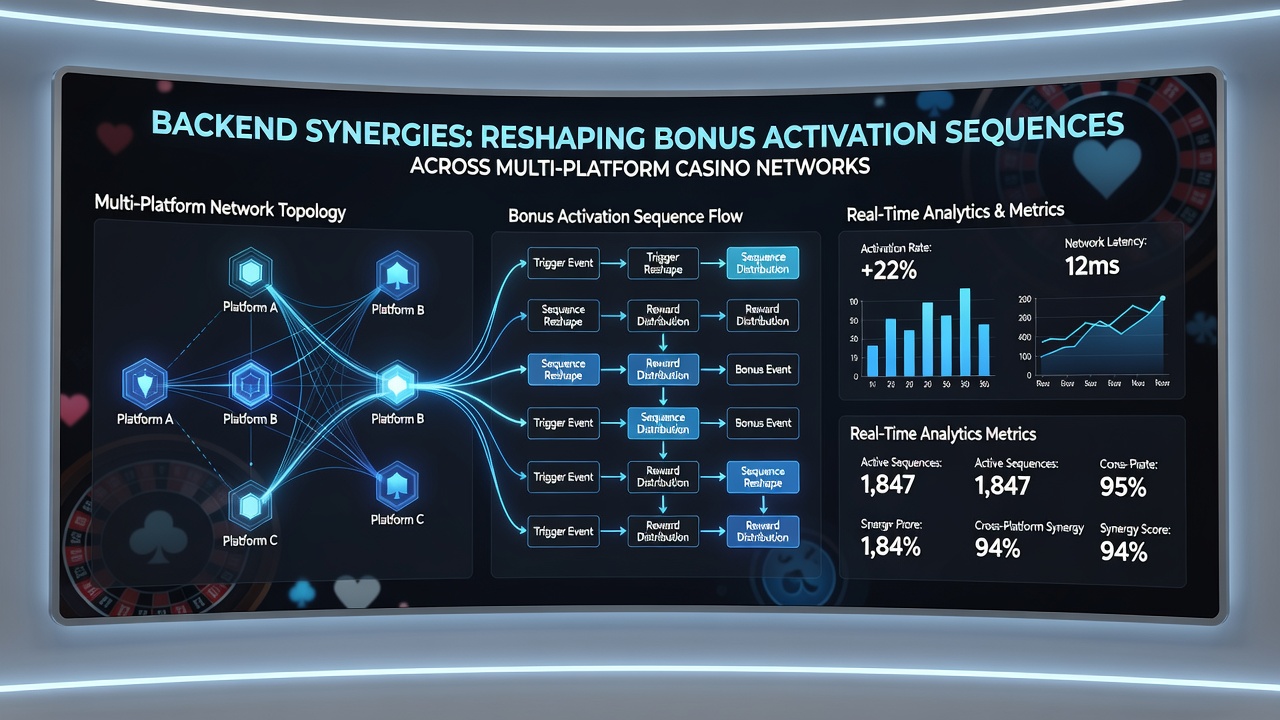
Centralized processing hubs form the foundation, while distributed ledgers handle real-time validation across regions. Researchers tracking these deployments note that legacy slot servers now interface directly with unified bonus engines, which reduces latency during cross-device handoffs. Observers point out that operators achieve this by standardizing event flags for features like free spin initiations and multiplier stacks, so the same logic executes whether the request originates from an iOS device or a browser-based terminal. One study released mid-2026 documented average response times dropping from 420 milliseconds to under 95 milliseconds after these hubs went live.
Technical Pathways and Data Exchange
API gateways serve as the primary conduits, routing player state data between casino front ends and backend reward modules. These gateways enforce consistent rule sets that define when bonuses activate, how they escalate, and what conditions end the sequence. Data streams from session analytics feed directly into these systems, allowing dynamic adjustments based on aggregated behavior across platforms rather than isolated instances. Experts tracking July 2026 implementations report that networks using containerized microservices achieved faster scaling when new casino partners joined the shared environment.
Regulatory Alignment and Cross-Border Operations
Operators must satisfy multiple jurisdictional standards while maintaining unified backend logic. Reports from the Nevada Gaming Control Board highlight updated technical bulletins that address synchronized bonus auditing, requiring operators to maintain immutable logs of every activation event across platforms. Similar guidance has emerged in other markets, including frameworks issued by Canadian provincial regulators, which emphasize traceability without mandating separate codebases for each region. Those who've implemented these systems find that single-source logging simplifies compliance audits and cuts reconciliation time by roughly 60 percent.
Impact on Player Experience and Network Efficiency
Players encounter fewer interruptions when moving between devices, because the backend maintains session continuity and applies bonus rules uniformly. Industry data released in 2026 shows retention metrics improving on networks that adopted these synergies, particularly for sessions spanning more than one platform. The American Gaming Association has published aggregate figures indicating that integrated networks recorded higher average session durations during the first half of the year, with bonus-related drop-offs declining measurably after synchronization upgrades. These outcomes arise from reduced friction rather than altered game mechanics themselves.
Future Trajectory Through 2026 and Beyond
Continued refinement of orchestration layers will likely expand the scope of shared bonus sequences to include live dealer environments and tournament structures. Analysts monitoring pilot programs note that early tests already demonstrate stable performance when reward engines pull data from both slot and table game backends simultaneously. As more operators adopt these architectures, the emphasis remains on maintaining distinct front-end presentations while consolidating the underlying logic that governs activation timing and eligibility checks.
Conclusion
Backend synergies continue to standardize bonus activation sequences across multi-platform casino networks through shared infrastructure and refined data protocols. Evidence from July 2026 deployments confirms measurable gains in consistency and operational efficiency, while regulatory bodies in multiple regions have issued supporting technical standards. These developments rest on concrete integration patterns rather than isolated innovations, and ongoing adoption suggests further consolidation of reward logic across the broader ecosystem.