Connecting Data Pathways in Slot Ecosystems: How Provider Integration Tools Refine RTP Visibility and Feature Testing Across Casino Networks
Drew Flores · Jun 8, 2026
Connecting Data Pathways in Slot Ecosystems: How Provider Integration Tools Refine RTP Visibility and Feature Testing Across Casino Networks
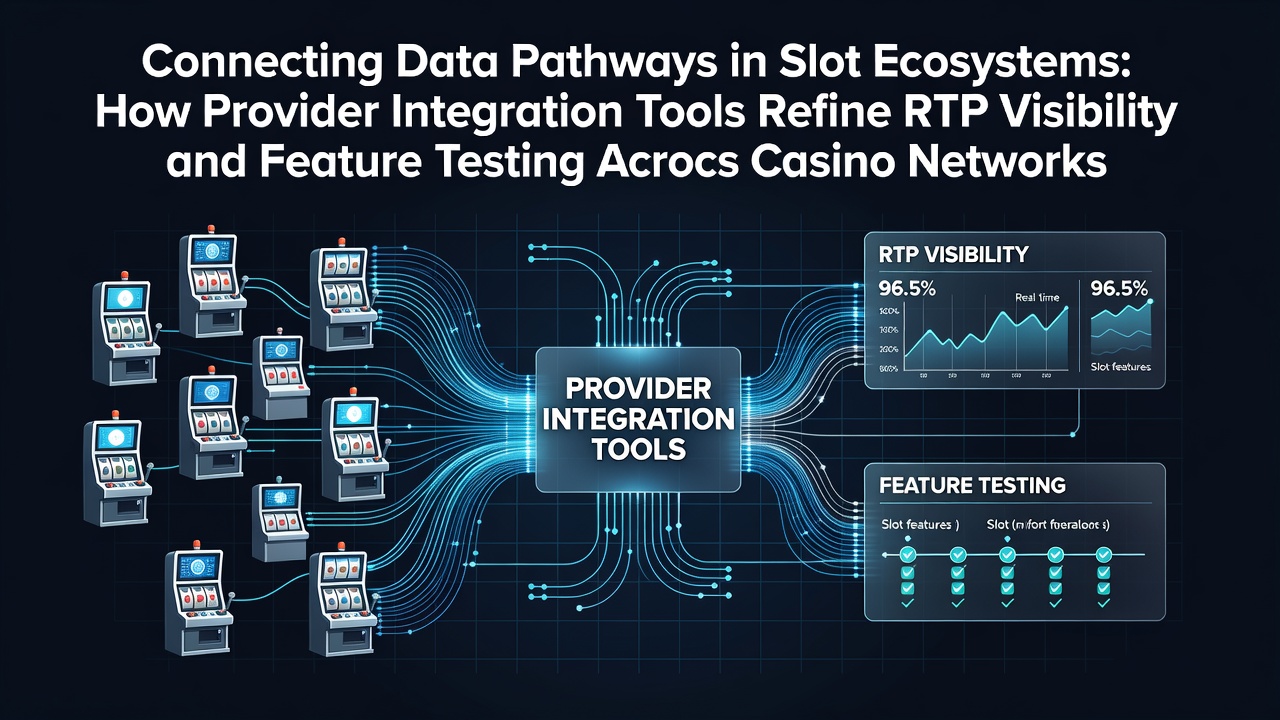
Slot ecosystems rely on interconnected data pathways that link game providers with casino platforms, and provider integration tools have taken on a central role in sharpening return-to-player visibility while streamlining feature testing procedures. These tools establish standardized connections that transmit performance metrics, configuration details, and operational logs between studios and operators in real time, which reduces discrepancies that once appeared when networks managed multiple independent systems.
Provider Integration Tools and Data Standardization
Integration platforms now handle API endpoints that normalize data formats across different studio environments, allowing RTP values calculated at the game level to appear consistently within operator dashboards. According to information published by the Australian Gambling Research Centre, standardized data streams support clearer comparisons of theoretical versus actual returns during live operations. Studios transmit seed values, payout tables, and volatility parameters through these channels, which enables operators to verify that displayed RTP figures match certified specifications without manual reconciliation steps.
Technicians observe that middleware layers handle authentication and encryption protocols that keep sensitive configuration data secure while still permitting granular access for compliance teams. When a new title enters a network, the integration layer automatically registers its parameters, which accelerates onboarding and cuts the time required before a game appears in live catalogs.
Refining RTP Visibility Across Multiple Operators
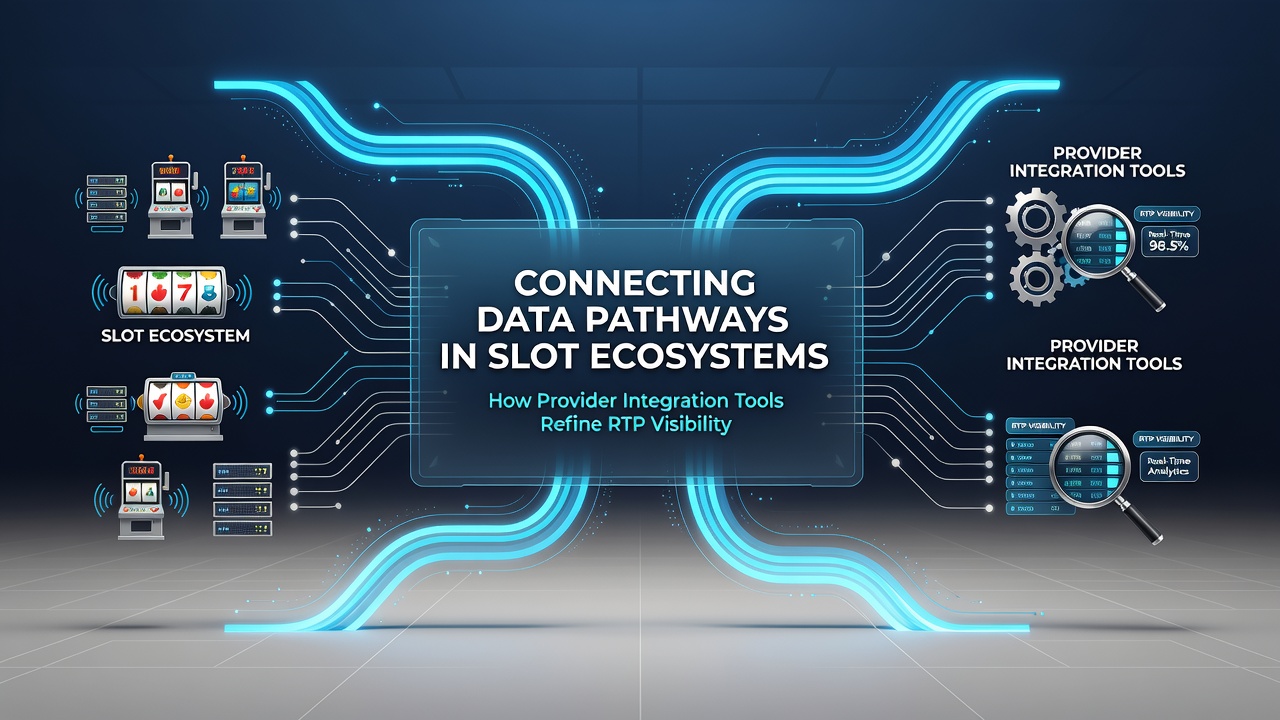
Real-time RTP dashboards pull aggregated data from provider systems, presenting both theoretical percentages and observed outcomes segmented by jurisdiction and player cohort. Observers note that this level of detail helps regulatory bodies track whether games maintain expected return ranges over extended periods. In June 2026 several major networks expanded their monitoring modules to include daily RTP reconciliation reports, which surface anomalies faster than previous weekly batch processes.
Operators receive alerts when deviations exceed predefined thresholds, prompting immediate review of game files and random number generator logs. The approach replaces earlier reliance on periodic audits alone and supplies continuous visibility that aligns with requirements set by authorities such as the Nevada Gaming Control Board.
Feature Testing Improvements Through Connected Systems
Feature testing environments now connect directly to provider repositories, allowing quality assurance teams to pull the latest build versions and associated test suites without separate file transfers. Automated scripts execute sequences that measure bonus trigger frequencies, free-spin distributions, and progressive jackpot contributions, then log results back into a shared analytics platform. Researchers have documented that such connected testing reduces the occurrence of configuration mismatches that previously surfaced only after games reached production servers.
Case studies from European operators illustrate how integration tools flag feature interactions that affect overall RTP calculations before certification bodies conduct final reviews. Teams compare test outputs against historical data sets, identifying whether a new mechanic alters payout curves in ways that require parameter adjustments. This iterative loop shortens certification timelines while maintaining documented evidence trails required by regulators.
Network-Wide Visibility and Compliance Monitoring
Casino networks spanning multiple jurisdictions benefit when integration tools enforce uniform data schemas, because compliance reports generated for one region can be adapted quickly for another without extensive reformatting. Data from these systems feeds into central repositories that track feature performance across thousands of game instances, revealing patterns that isolated operator logs might miss. In practice, network administrators use these aggregated views to coordinate updates when providers release patches addressing edge-case behaviors in bonus rounds.
Canadian provincial regulators have referenced similar data-sharing frameworks in guidance documents, emphasizing the value of transparent pathways that let authorities verify both RTP integrity and feature fairness without requesting raw server access. Operators report that the same infrastructure supports A/B testing of feature variants, where subsets of the player base experience modified mechanics while baseline metrics remain under continuous observation.
Conclusion
Provider integration tools continue to strengthen the connections between data sources and operational systems within slot ecosystems. By delivering consistent RTP visibility and accelerating feature testing cycles, these platforms support the operational requirements of casino networks that must satisfy diverse regulatory expectations. As June 2026 developments illustrate, expanded monitoring capabilities and standardized reporting remain central to maintaining accurate performance records across distributed environments.