Connectivity Standards Shaping Reward Delivery in Multi-Platform Gaming Networks
Rosa Schmitt · Aug 15, 2026
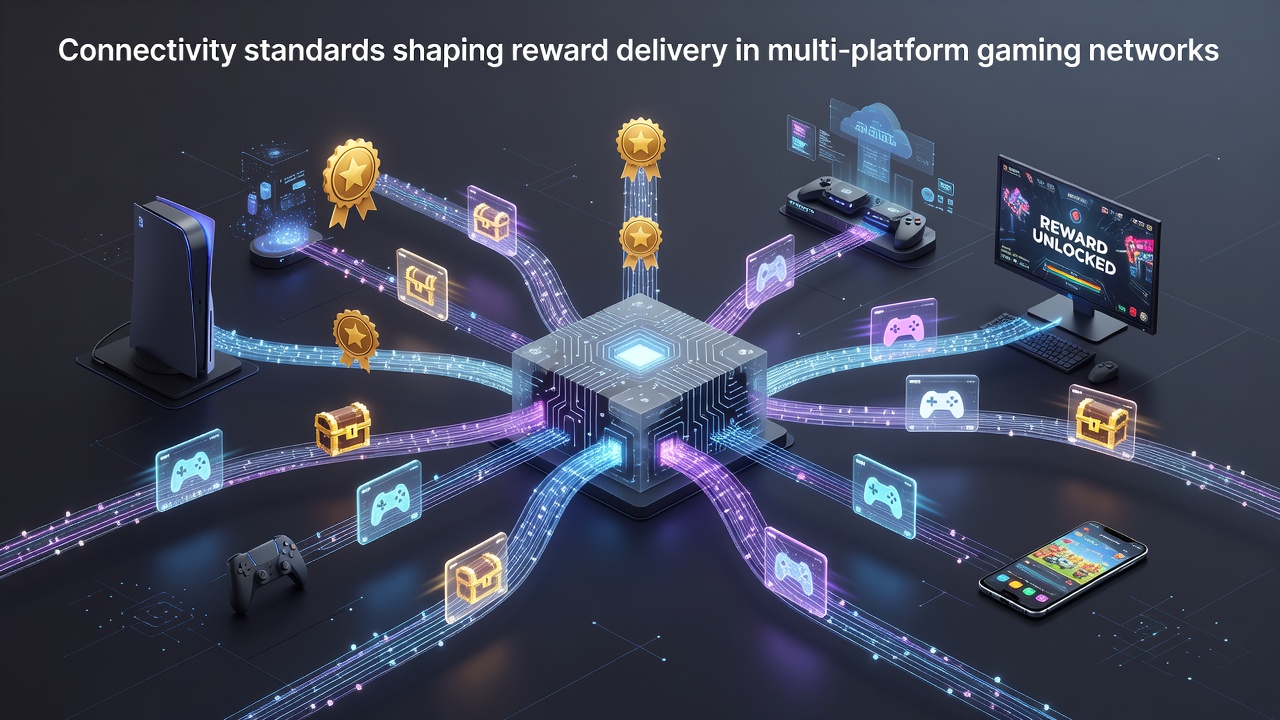
Connectivity Standards Shaping Reward Delivery in Multi-Platform Gaming Networks
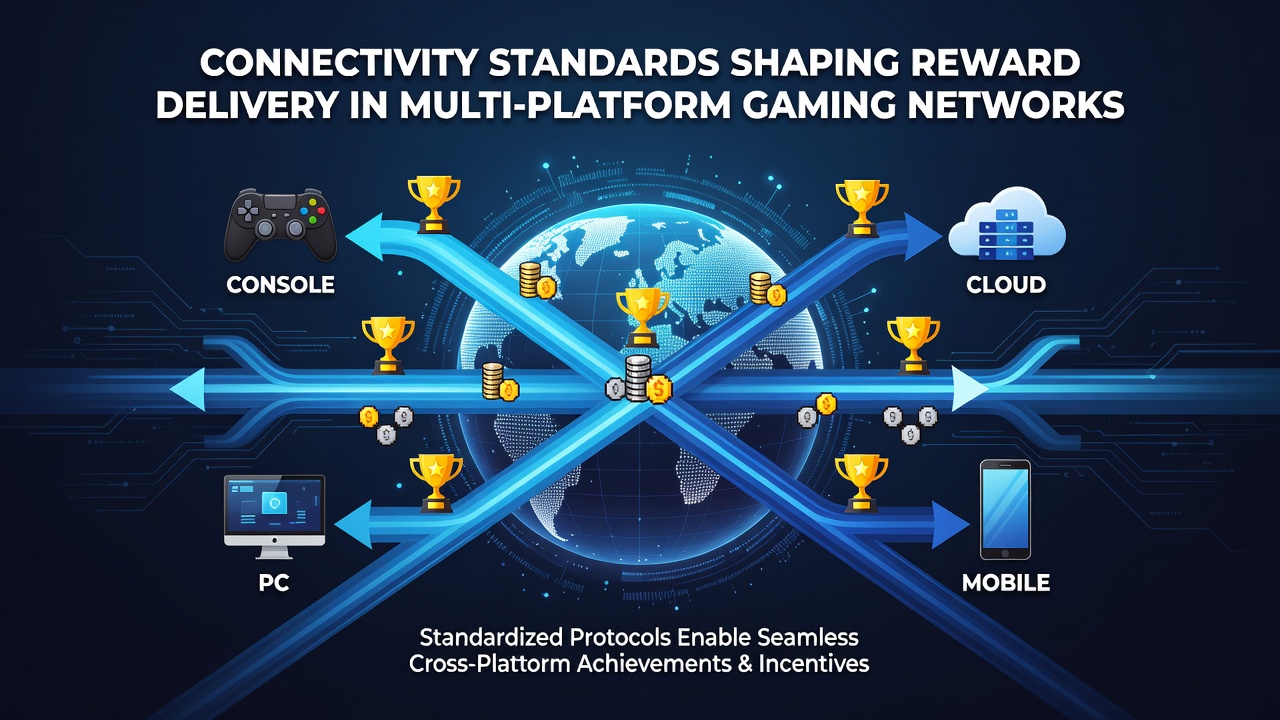
Connectivity standards form the backbone of reward delivery systems that operate across desktop, mobile, and console environments in modern gaming networks, and observers note how these protocols determine the speed, security, and consistency of prize distribution, achievement unlocks, and in-game incentives. Research from industry bodies indicates that standardized data exchange formats allow platforms to synchronize player progress without manual intervention, while variations in implementation create measurable differences in latency and reliability during peak usage periods.
Core Protocols Driving Cross-Platform Synchronization
Developers rely on a combination of RESTful APIs, WebSocket connections, and OAuth-based authentication frameworks to transmit reward data between servers and client devices, and these tools enable real-time updates that reflect player actions across multiple hardware configurations. Studies conducted by the Entertainment Software Association reveal that networks using HTTP/3 protocols experience up to 30 percent faster packet delivery compared with older HTTP/2 setups, which directly influences how quickly virtual items or currency reach user accounts during simultaneous sessions on different devices.
Security layers such as TLS 1.3 encryption integrate with these connectivity standards to protect transaction logs and prevent unauthorized alterations to reward balances, whereas compliance requirements from regulatory agencies in regions like Nevada and Singapore mandate audit trails that trace every data packet from origin server to end-user interface. Those who monitor network performance report that platforms adopting unified JSON schemas for reward metadata reduce integration errors by significant margins when expanding to new device types.
August 2026 Updates and Their Network Effects
Industry groups introduced revised interoperability guidelines in August 2026 that emphasize enhanced support for low-latency edge computing nodes, and these changes allow reward systems to process micro-transactions closer to the user's geographic location rather than routing everything through central data centers. Figures from technical working papers show reduced average response times from 450 milliseconds to under 200 milliseconds in test environments that simulate high-volume multiplayer events, which benefits titles where players expect immediate confirmation of earned rewards.
Network operators that implemented the new standards ahead of the August deadline observed smoother scaling during promotional events, while those still transitioning encountered temporary mismatches in achievement tracking between mobile and console versions of the same game. Data collected by academic researchers at institutions studying digital entertainment ecosystems highlights how these connectivity adjustments also support more granular control over reward visibility, letting developers restrict certain items to specific regions or hardware generations without breaking overall network coherence.
Security and Compliance Considerations in Reward Pipelines
Regulatory frameworks established by bodies such as the Nevada Gaming Control Board and Australia's National Broadband Network oversight groups require that connectivity standards incorporate verifiable logging mechanisms, and these rules ensure every reward transfer leaves an immutable record that auditors can review. Observers note that platforms failing to meet encryption benchmarks face restrictions on cross-border data flows, which in turn limits the geographic reach of certain multiplayer features and associated incentive programs.
Third-party certification processes now test how well different protocol stacks handle concurrent reward requests during network congestion, and results published in engineering journals demonstrate that systems built on QUIC transport protocols maintain higher success rates than those limited to legacy TCP connections. The reality is that developers must balance performance gains against the added complexity of maintaining multiple fallback pathways when one standard encounters temporary outages.
Practical Implementation Across Device Ecosystems
Game publishers that maintain simultaneous releases on PC, iOS, Android, and dedicated consoles use containerized microservices connected through standardized APIs to push reward updates, and this architecture allows a single server-side change to propagate correctly regardless of the receiving device's operating system. Reports from the IEEE Standards Association document how consistent use of OpenID Connect reduces authentication friction for players switching between devices mid-session, which keeps reward progress continuous rather than fragmented.
Case examples from large-scale network operators show that adopting GraphQL alongside traditional REST endpoints improved the efficiency of querying detailed reward histories, cutting down on unnecessary data transfers by as much as 40 percent in monitored deployments. Those responsible for infrastructure planning emphasize that backward compatibility layers remain essential because older devices still represent a substantial portion of active user bases in many markets.
Conclusion
Connectivity standards continue to evolve as the primary mechanism for reliable reward delivery across diverse gaming platforms, and evidence from regulatory filings together with performance benchmarks confirms their central role in maintaining user trust and operational efficiency. Networks that align with current interoperability requirements demonstrate clearer advantages in scaling reward systems while meeting security mandates from multiple jurisdictions. The ongoing refinement of these protocols supports broader access to synchronized gaming experiences without compromising the integrity of incentive structures.