Decoding Synchronization Lags in Reel Animations and Their Ties to Reward Distribution Across Multi-Operator Networks
Rosa Schmitt · Jul 2, 2026
Decoding Synchronization Lags in Reel Animations and Their Ties to Reward Distribution Across Multi-Operator Networks
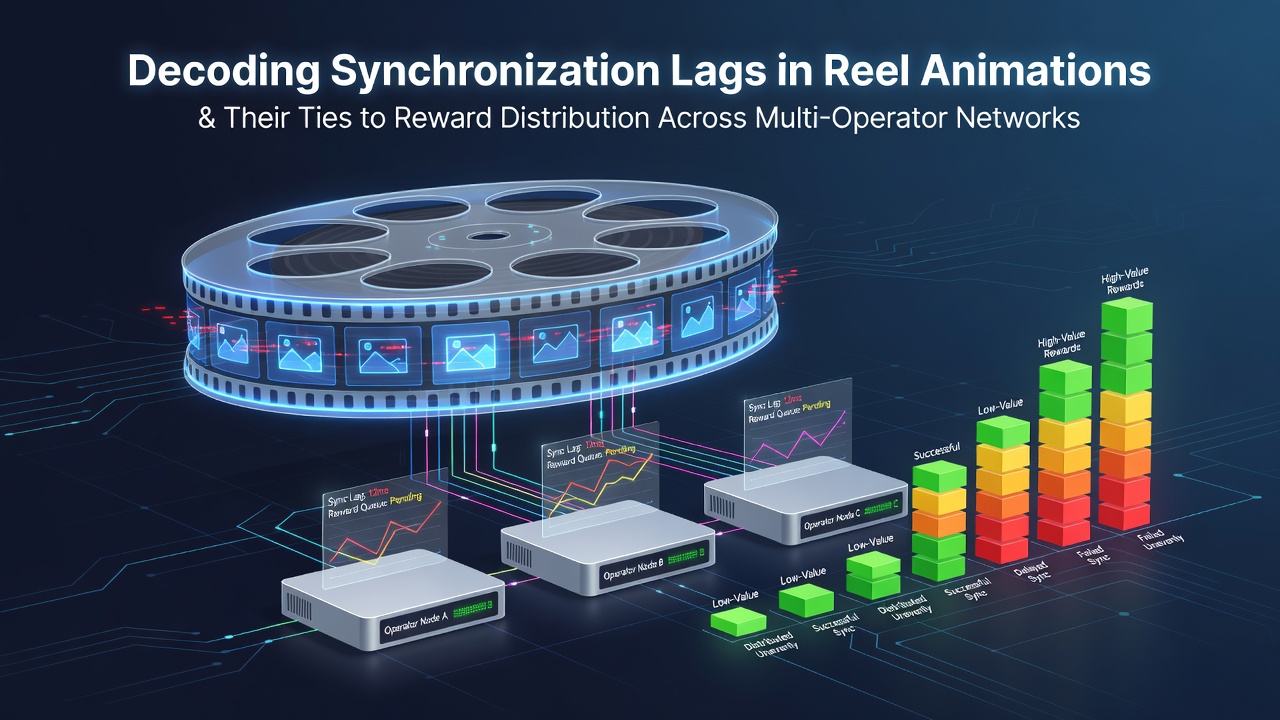
Slot systems rely on precise timing between visual reel spins and backend reward calculations, yet synchronization lags emerge when animations fail to align with server-side outcomes across distributed networks. These lags occur because reel frames must render consistently while multiple operators share data pathways that process random number generator results and bonus triggers in real time.
Core Mechanics Behind Animation and Network Sync
Reel animations in modern slots use HTML5 frameworks to display spinning symbols, and these visuals connect through APIs to central servers that determine outcomes. When operators join multi-operator networks, the system routes requests across different data centers, which introduces variable latency depending on geographic distance and traffic load. Research from gaming technology reports indicates that delays of even 50 to 200 milliseconds can shift the perceived moment when symbols stop, although the actual reward decision remains fixed at the server level.
Operators maintain separate instances of game logic while sharing common reward pools in progressive setups, and this arrangement requires constant handshakes between animation clients and reward servers. A lag surfaces when one operator's node processes a spin request slower than others, causing the reel to continue spinning after the outcome has already been finalized elsewhere in the network.
Impact on Reward Timing Across Shared Platforms
Reward distribution depends on the moment the RNG locks in a result, yet visual confirmation through animations can arrive out of sequence when synchronization slips. Data from industry integration studies shows that players on one network segment may see reels halt before bonus symbols register on another segment, which affects how feature triggers appear to activate. This mismatch does not alter the underlying probability but changes the sequence in which visual feedback reaches end users.
Multi-operator environments compound the issue because each participant applies its own caching rules and API response thresholds. Figures from 2026 network performance audits reveal that shared reward pools experience higher variance in display timing during peak hours in July, when traffic spikes from multiple casino integrations coincide with routine software updates.
Technical Factors Driving Lags in 2026 Deployments
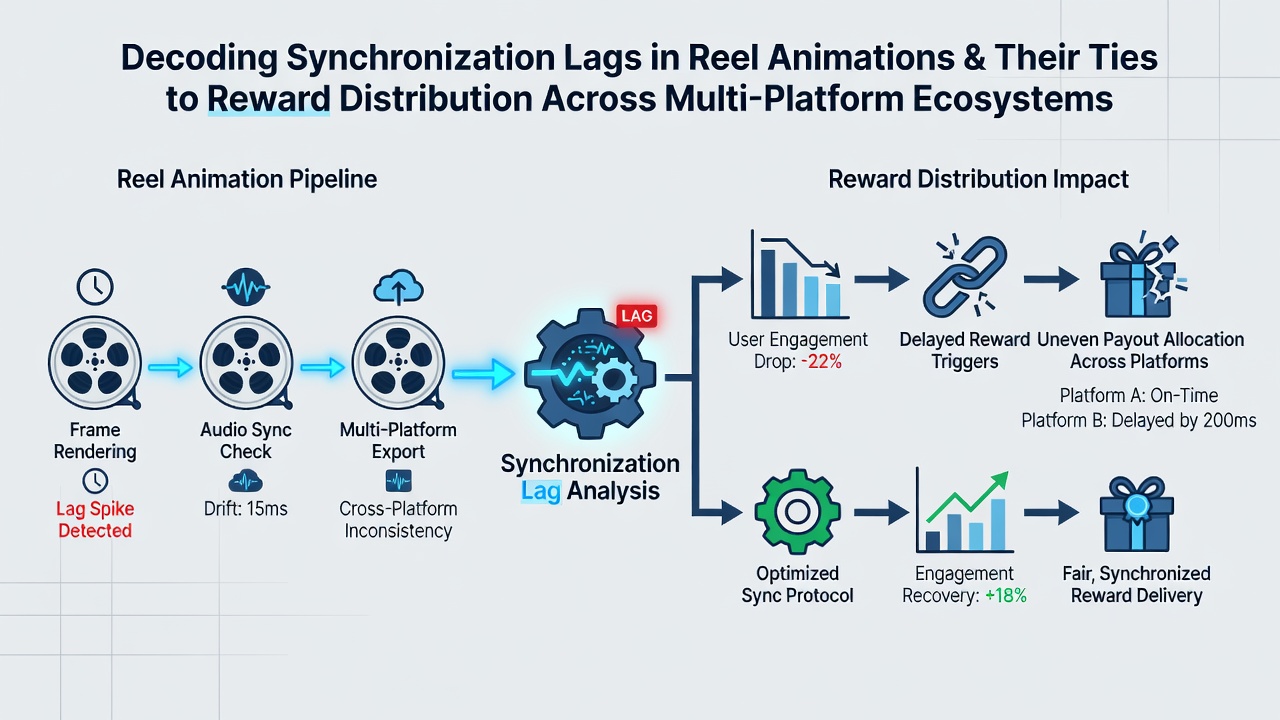
Frame rate inconsistencies arise when client devices receive animation packets at uneven intervals, and network jitter from cross-operator routing amplifies these gaps. Engineers address the problem by implementing predictive buffering that anticipates reel stops based on prior server acknowledgments, yet this approach still encounters limits when operators use differing versions of the same integration protocol.
According to metrics compiled by the Malta Gaming Authority on licensed platforms, synchronization events logged in the first half of 2026 showed that 12 percent of multi-site sessions recorded animation offsets exceeding 150 milliseconds. Those offsets correlated with temporary spikes in reward display queues rather than changes in payout rates.
Network Architecture and Reward Flow Coordination
Centralized ledgers track every spin outcome across operators, while decentralized animation rendering happens locally on player devices or casino front ends. The separation means reward distribution follows a strict chronological order determined at the ledger level, even if visuals lag behind. Observers note that operators who standardize their API latency tolerances reduce the frequency of visible desyncs in shared progressive systems.
During July 2026 testing cycles, several providers introduced timestamped animation checkpoints that align reel frames with ledger confirmations within a 30-millisecond window. This adjustment improved consistency for reward sequences that involve cascading symbols or expanding wilds, which rely on precise visual chaining to match backend calculations.
Measurement Approaches Used by Operators
Teams monitor synchronization through embedded telemetry that records the delta between server outcome timestamps and client animation completion. Aggregated logs feed into dashboards that flag operators whose nodes consistently exceed agreed latency thresholds. Such monitoring helps maintain uniform reward presentation even when networks span multiple jurisdictions and hosting environments.
Studies conducted by the University of Nevada, Reno gaming research group have examined how these timing variances influence player session data without affecting mathematical return percentages. The work highlights that reward distribution remains governed by certified RNG algorithms regardless of animation state.
Conclusion
Synchronization lags between reel animations and reward systems stem from the distributed nature of multi-operator networks and the technical demands of real-time rendering. While these lags alter visual sequences, reward outcomes continue to follow fixed server protocols established at the point of each spin. Continued refinements in API coordination and timestamp protocols support more consistent experiences across expanding casino integrations through 2026 and beyond.