Decoding the Role of Standardized Code in Enhancing Interactive Elements Within Portable Reel-Based Entertainment Systems
Noah Foster · Aug 24, 2026
Decoding the Role of Standardized Code in Enhancing Interactive Elements Within Portable Reel-Based Entertainment Systems
Standardized code forms the backbone of interactive features in portable reel-based entertainment systems where developers rely on consistent protocols to deliver touch-responsive animations and dynamic reel behaviors across multiple device types. Research from web standards organizations shows that adherence to HTML5 and related scripting specifications allows seamless integration of user inputs with visual outputs while maintaining performance on handheld platforms. Data indicates that these coding conventions reduce compatibility issues and support real-time feedback loops essential for reel spins and bonus triggers.
Core Protocols Driving Interactivity
Experts observe that standardized scripting languages combined with canvas and WebGL elements enable precise control over symbol movements and particle effects in mobile slot environments. Studies from technology research institutions reveal that when providers implement uniform code structures the result includes faster response times to swipe and tap gestures along with synchronized audio cues that align with reel outcomes. In August 2026 several integration frameworks received updates that refined event handling for multi-touch scenarios common in portable devices.
Those who analyze code repositories note that consistent use of ECMAScript standards supports modular components where interactive overlays such as expanding wilds or cascading reels operate without device-specific adjustments. Figures from industry analytics groups demonstrate measurable improvements in frame rates and animation fluidity when teams follow these conventions rather than custom proprietary approaches.
Impact on User Engagement Mechanisms
Portable reel systems benefit when standardized code governs how bonus rounds activate and how progressive meters update in response to player actions. Observers report that uniform data exchange formats between front-end interfaces and backend servers allow interactive elements like gamble features or pick-and-click mini-games to function reliably across operating systems. Evidence from technical evaluations suggests these practices contribute to reduced latency during high-stakes sequences where timing directly affects perceived responsiveness.
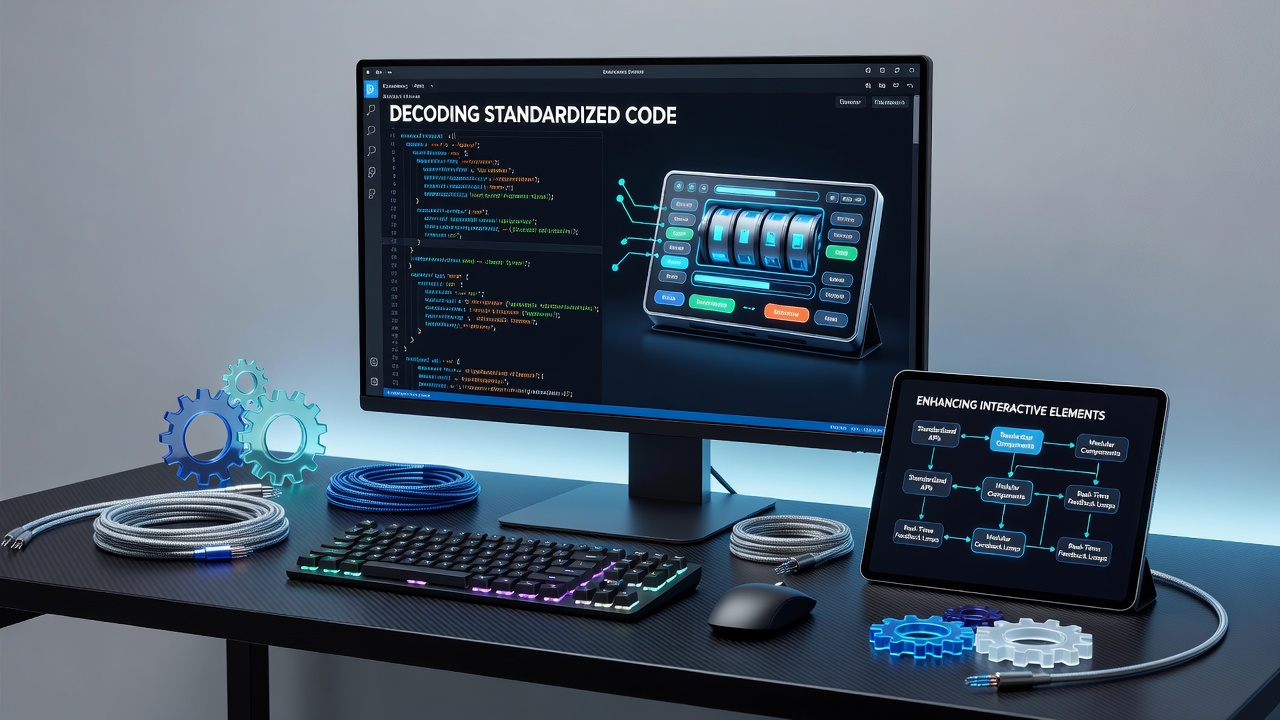
Researchers at academic centers studying human-computer interaction have documented cases where standardized event listeners improved accessibility options such as voice commands and adaptive button layouts for reel controls. One analysis of deployment logs showed that applications built on shared code libraries experienced fewer interruptions during rapid reel stops compared with fragmented implementations. What's interesting is how these protocols also facilitate cross-platform testing which in turn supports consistent reward visualization patterns.
Integration Challenges and Solutions
Developers encounter hurdles when merging standardized code with legacy reel engines yet solutions emerge through layered abstraction techniques that isolate interactive modules. Reports from gaming technology conferences highlight successful migrations where teams adopted open specifications for physics simulations and collision detection in symbol interactions. Data from performance benchmarks indicates that such transitions often yield lower memory usage on portable hardware without sacrificing visual complexity in reel sequences.
Industry associations focused on digital entertainment track adoption rates of these standards and their correlation with feature richness in handheld titles. Figures reveal that providers utilizing shared code repositories achieve quicker rollout of new interactive mechanics such as synchronized multiplayer reel events. And while regional regulations vary the underlying technical requirements remain anchored in universal web protocols that prioritize stability and security.
Future Directions in Code Standardization
Analysts project continued refinement of coding standards to accommodate emerging input methods including gesture recognition and augmented overlays on mobile screens. Research papers from computing departments outline potential extensions to existing specifications that could enhance reel interactivity through improved particle systems and predictive rendering. Evidence suggests these advancements will maintain compatibility with current portable ecosystems while expanding creative options for feature design.
Conclusion
Standardized code continues to shape how interactive elements function within portable reel-based entertainment systems by providing reliable foundations for animation timing gesture response and data synchronization. Ongoing adherence to established protocols supports consistent experiences across devices and enables incremental enhancements tracked through industry metrics. As frameworks evolve in coming periods the emphasis remains on measurable performance gains and broader compatibility for reel mechanics.