How Backend Protocols Influence Visual Feedback Loops in Mobile Casino Reels
Noah Foster · Jun 22, 2026
How Backend Protocols Influence Visual Feedback Loops in Mobile Casino Reels
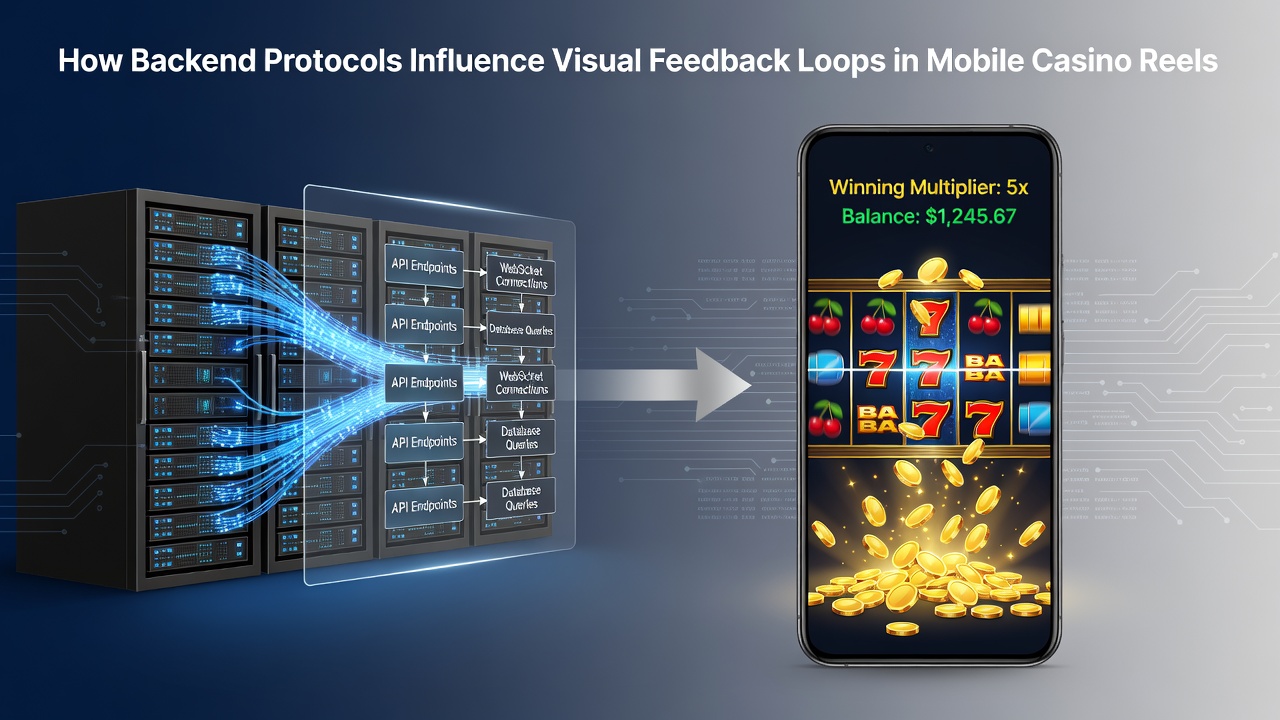
Backend protocols determine how data travels between servers and mobile devices in casino applications, and they shape the timing plus synchronization of reel movements that players encounter during spins. These systems rely on specific communication standards to deliver random number generator outcomes while coordinating the visual sequences that follow each result. Observers note that protocol choices affect everything from initial reel acceleration to the final symbol alignment displays.
Core Components of Backend Systems in Slot Applications
Mobile casino reels operate through constant exchanges between client applications and remote servers where protocols like WebSocket maintain persistent connections while alternatives such as HTTP/2 handle request batches for each spin cycle. Researchers have documented how these frameworks manage latency by prioritizing packet delivery for outcome data that triggers animation sequences on the device side. Data shows that protocol efficiency directly correlates with the smoothness of reel deceleration phases and the precise moment when win indicators appear on screen.
Industry reports from the European Gaming and Betting Association highlight integration patterns where providers adjust transmission intervals to match device processing capabilities across different network conditions. Those who've analyzed system logs discover that variations in protocol headers can introduce micro-delays that cascade into noticeable shifts in feedback timing during bonus round activations. And the reality remains that developers test these interactions extensively before deployment to ensure consistent reel behavior regardless of user location or connection quality.
Mechanisms Behind Visual Feedback Synchronization
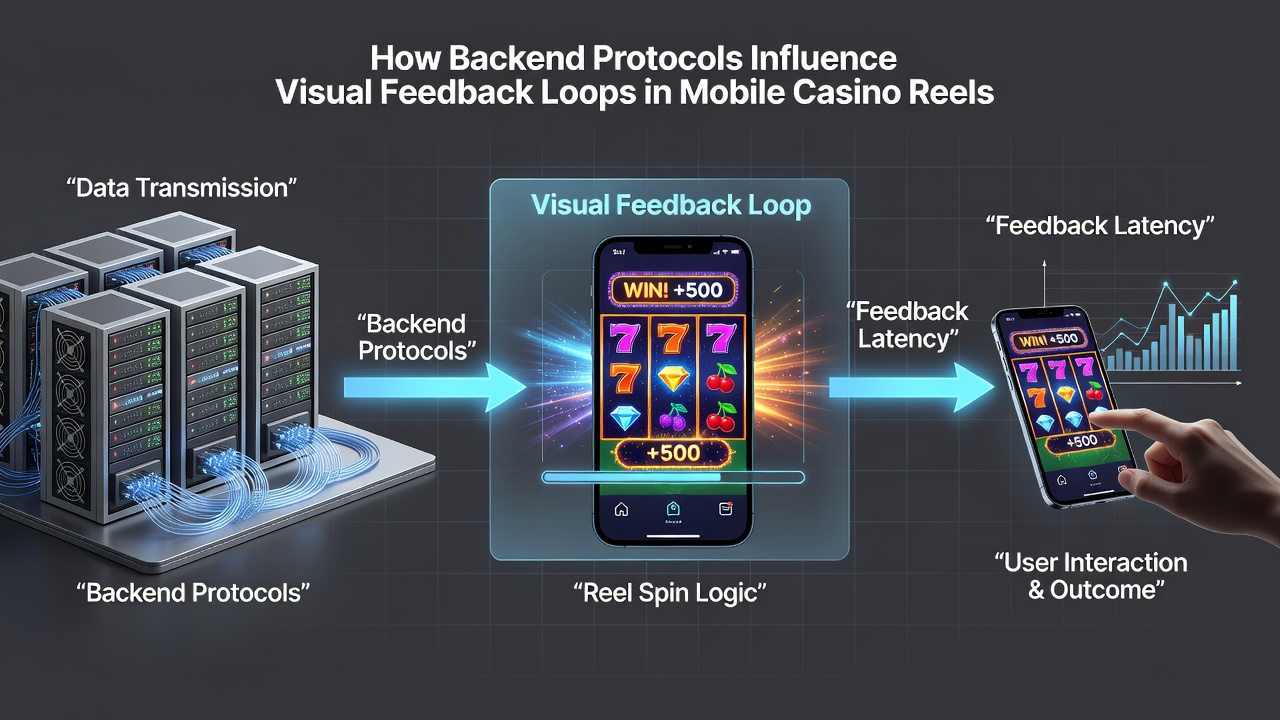
Visual feedback loops begin once a backend server processes the random outcome and transmits results through the selected protocol to the mobile interface. The client then renders reel spins using preloaded assets that respond to incoming data packets which dictate stop positions and any accompanying particle effects or lighting changes. Studies indicate that protocols supporting bidirectional streaming reduce the gap between outcome generation and the first frame of reel movement compared to traditional polling methods.
What's interesting is how error correction features within certain protocols prevent corrupted data from disrupting animation continuity while others rely on retransmission requests that can briefly pause visual sequences. Figures from network performance analyses reveal average synchronization times varying between 80 and 220 milliseconds depending on the chosen standard and current traffic loads. Those monitoring live sessions observe that high-frequency updates via optimized channels allow for more granular control over reel easing curves and symbol bounce effects during near-miss presentations.
Protocol Variations Across Provider Implementations
Different studios adopt distinct backend approaches that influence how reels respond in real time during June 2026 releases and ongoing platform updates. Some favor lightweight binary protocols that compress outcome payloads to accelerate delivery while others incorporate additional metadata layers for enhanced security checks before visual rendering begins. According to research from the Australian Gambling Research Centre these choices lead to measurable differences in animation fluidity across Android and iOS environments where hardware acceleration interacts variably with incoming data streams.
Take one integration case where experts found that switching from REST-based calls to persistent socket connections shortened the interval between spin initiation and the appearance of first reel symbols by nearly 40 percent in controlled tests. People who've reviewed technical documentation discover that protocol selection also affects how progressive jackpot meters update on screen since those values require frequent server pulls that must align with existing reel cycles without causing visual stutter. Yet the ball stays in the court of network architects who balance security requirements against performance demands to maintain seamless loops.
Impact on Player Interface Dynamics in Current Deployments
Current deployments in June 2026 demonstrate how refined backend protocols support more complex visual sequences including cascading symbol replacements and expanding wild animations that depend on rapid successive data exchanges. Regulatory documentation from Canadian provincial gaming authorities shows compliance frameworks increasingly reference protocol latency thresholds to ensure fair presentation of results across all connected devices. Observers note that these standards encourage providers to refine their transmission strategies which in turn produces tighter synchronization between server decisions and on-screen reel behaviors.
One study revealed that applications using multiplexed streams deliver bonus trigger confirmations faster allowing animations to begin without the hesitation sometimes seen in older single-channel setups. Data indicates consistent patterns where protocol optimizations correlate with reduced instances of mismatched visual states such as reels stopping before final outcomes fully register. And developers continue exploring hybrid models that combine elements from multiple standards to address emerging device capabilities while preserving compatibility with legacy networks.
Conclusion
Backend protocols serve as the foundation for visual feedback loops in mobile casino reels by governing data transmission speed and reliability that directly control animation timing and synchronization. Evidence from multiple regions demonstrates how specific protocol features influence everything from basic spin mechanics to advanced bonus presentations across diverse hardware configurations. Those examining system performance recognize that ongoing refinements in these communication layers support evolving visual standards while meeting regulatory expectations for consistent result delivery. Continued monitoring of these interactions provides insight into how technical infrastructure shapes the player experience through precise control of reel movements and associated feedback elements.