Licensing Frameworks Directing Theme Selections Within Worldwide Reel Collections
Rosa Hansen · Aug 27, 2026

Licensing Frameworks Directing Theme Selections Within Worldwide Reel Collections
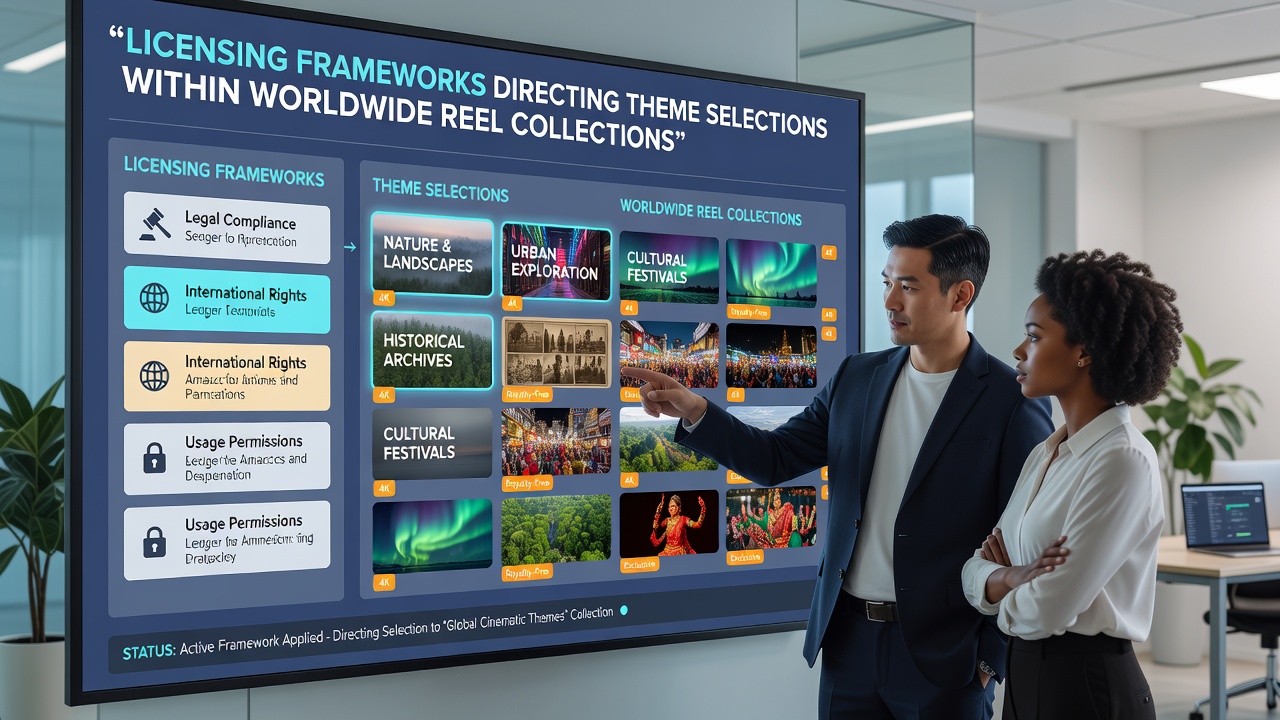
Regulatory bodies across multiple continents establish licensing frameworks that shape theme selections for slot collections released in international markets, and these rules determine which cultural references, visual motifs, and narrative elements providers may incorporate into new titles. Data from industry reports shows that operators must align game designs with jurisdiction-specific guidelines before distribution begins, which often leads studios to develop modular content that can be adapted or restricted based on approval processes.
Core Mechanisms in Regulatory Approval Processes
Licensing authorities evaluate proposed themes against criteria covering content sensitivity, age appropriateness, and alignment with local cultural standards, while providers submit detailed documentation including artwork samples and narrative outlines for review. In practice this means that a single game concept may receive approval in one region yet require substantial revisions elsewhere because officials flag elements such as historical depictions or fantasy violence that conflict with prevailing statutes. Observers note that these evaluations frequently occur before full development cycles conclude, allowing studios to adjust color palettes, character designs, and bonus round mechanics to satisfy multiple sets of requirements simultaneously.
Regional Variations and Their Influence on Theme Choices
North American jurisdictions maintain distinct criteria that affect theme availability, with the Nevada Gaming Control Board publishing technical standards that address permissible imagery in electronic gaming devices, and similar oversight structures in other states add further layers of review. European markets operate under directives that emphasize consumer protection alongside content restrictions, leading providers to prioritize neutral or universally appealing motifs when targeting broader distribution. Australian regulators apply additional scrutiny to themes involving chance-based narratives, and data compiled by the Australian Gambling Research Centre indicates measurable shifts in approved game portfolios following periodic guideline updates. These differences create a patchwork where a title cleared for one market may launch with alternate artwork or feature modifications in another.
August 2026 Developments Across Jurisdictions
Updates scheduled for August 2026 in several North American and Asian-Pacific territories introduce new documentation requirements for theme submissions, particularly around digital asset sourcing and cultural consultation records. Providers preparing releases during this period have already begun incorporating compliance checkpoints earlier in their pipelines, and reports from studio partners show increased collaboration with local consultants to pre-empt potential objections. Such adjustments influence everything from soundtrack selections to symbol hierarchies, ensuring that collections scheduled for worldwide rollout maintain consistent core mechanics while varying surface-level presentation.
Effects on Provider Development Strategies
Studios respond to these constraints by maintaining libraries of pre-approved assets that can be swapped into existing frameworks, and this modular approach reduces delays when games move between approval queues. Research indicates that companies with dedicated compliance teams experience shorter review cycles because they anticipate common objections during initial concept stages. Those who have studied portfolio planning note that theme diversification becomes a calculated balance between creative ambition and regulatory feasibility, resulting in collections that feature both globally neutral titles and region-specific variants released in parallel.
Integration With Technical and Distribution Standards
Licensing conditions often intersect with technical specifications for HTML5 compatibility and API connectivity, which means theme decisions must also account for how visual elements render across devices while remaining within approved boundaries. Providers coordinate these elements through internal review boards that cross-reference regulatory checklists against platform requirements before final submission. Evidence from integration reports reveals that early alignment between creative and compliance departments correlates with smoother certification outcomes across multiple territories.
Conclusion
Licensing frameworks continue to steer theme selections in worldwide reel collections by imposing structured review processes that vary by region yet share common goals of consumer protection and cultural alignment. Providers adapt through modular design practices and proactive consultation, which allows collections to reach diverse markets while satisfying distinct regulatory expectations. As updates roll out in August 2026 and beyond, the interplay between these frameworks and creative decisions will remain a central factor in how slot portfolios evolve globally.