Mobile-First Mechanics: How HTML5 Frameworks and API Connections Shape Bonus Structures in Provider Game Demos for Partner Casino Platforms
Noah Foster · May 16, 2026

Mobile-First Mechanics: How HTML5 Frameworks and API Connections Shape Bonus Structures in Provider Game Demos for Partner Casino Platforms
Slot providers build demo versions of their games to showcase mechanics while complying with platform rules that govern bonus activation, and HTML5 frameworks combined with targeted API connections determine how those bonuses appear in mobile environments for partner casinos, where operators integrate the demos directly into their sites or apps. Developers rely on responsive design elements within HTML5 to ensure that bonus triggers scale across screen sizes without breaking the underlying probability models that control free spins or multiplier awards.
HTML5 Frameworks Drive Consistent Bonus Delivery
Modern providers use libraries such as Phaser and PixiJS to render reels and bonus rounds that load quickly on mobile browsers, which means the same code base serves both demo play and live sessions without separate mobile-specific builds. Research from industry reports shows that this approach reduces development time by up to 40 percent while maintaining the exact bonus parameters that regulators review before approval. When a player taps a bonus symbol in a demo, the framework handles animation timing through JavaScript event listeners that sync with the game’s random number generator calls, preserving the advertised return-to-player values even during free-spin sequences.
Those who have examined multiple provider portfolios note that HTML5 also supports modular asset loading, so bonus features like expanding wilds or pick-and-click games pull only the necessary graphics on demand, which keeps data usage low on partner casino networks. This efficiency matters because many operators cap demo session lengths to prevent excessive server load, yet players still expect full bonus functionality within those limits.
API Connections Define Bonus Parameter Sharing
Partner casinos connect to provider APIs through standardized endpoints that pass session tokens, player currency settings, and jurisdiction flags before any bonus round activates. Data from the Nevada Gaming Control Board indicates that these connections must transmit bonus multipliers and trigger conditions in real time so that the operator’s compliance systems can audit outcomes without delay. In practice, an API call from the demo client requests a bonus seed value that the provider server generates according to pre-approved math models, then returns the result encrypted to prevent tampering during mobile play.
Turns out the structure of these API payloads directly influences which bonus types appear most often in demos versus live play. For instance, providers configure certain endpoints to deliver higher-frequency low-value bonuses in demo mode to encourage longer testing sessions, while live mode uses different weighting that aligns with full-stake play requirements. Observers note that May 2026 release schedules from several studios highlight this flexibility, with new titles incorporating dynamic API flags that let operators toggle bonus visibility based on regional regulations.
Bonus Structures Adapt Through Integrated Systems
The interplay between HTML5 canvas rendering and backend APIs allows providers to adjust bonus structures per partner without rebuilding core game files. A single demo build can serve multiple casinos where one operator enables buy-feature bonuses and another restricts them to live accounts only, all controlled through API permission layers that the framework reads on initialization. Studies from the University of Las Vegas gaming research group reveal that such configurations maintain identical visual presentation across platforms while enforcing distinct probability tables for each integration.
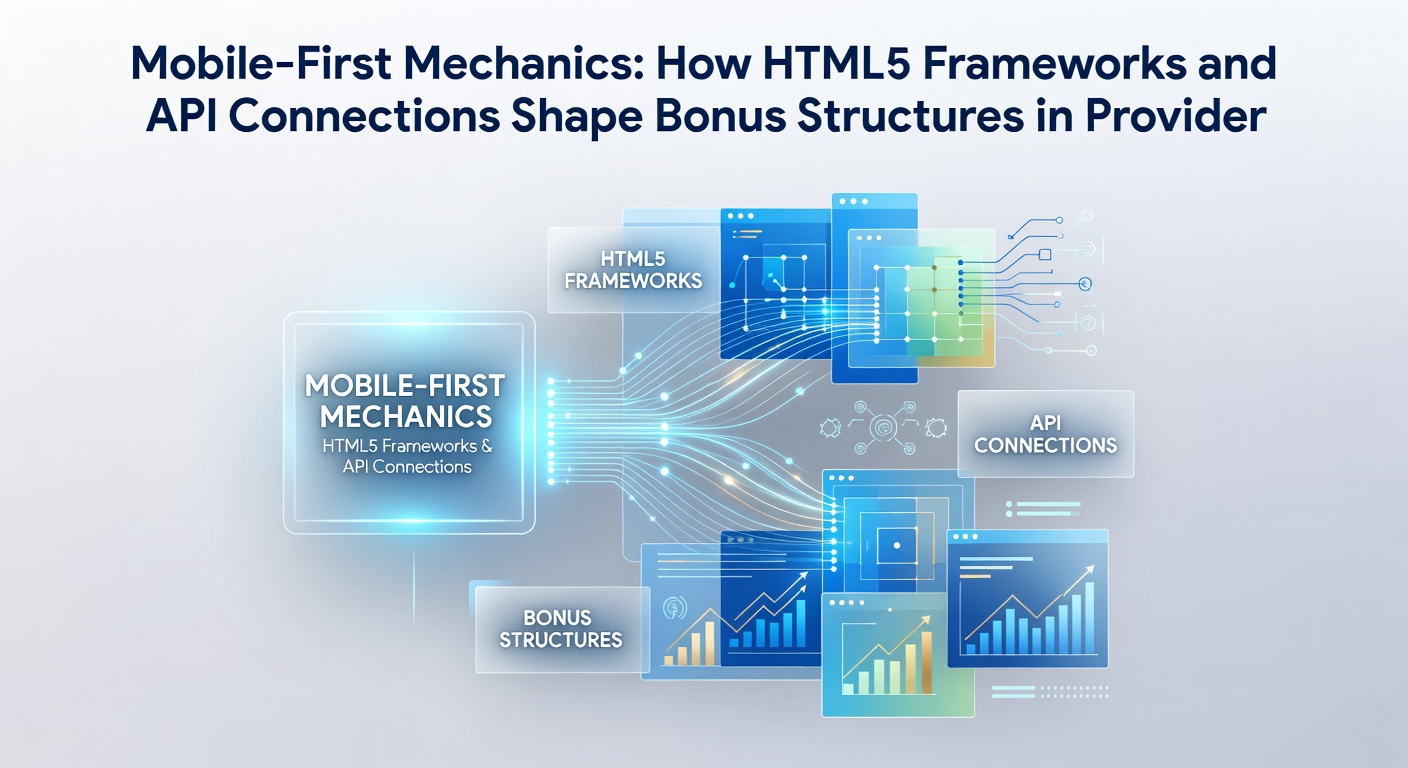
Providers also embed fallback logic inside the HTML5 code so that if an API response times out during a bonus trigger, the game defaults to a safe state that still displays the feature but without awarding credits, which protects both the operator and the player from incomplete sessions. This safeguard proves especially relevant for partner platforms that experience variable network conditions during peak mobile traffic hours.
Regulatory Compliance Shapes Technical Choices
European regulators and Australian oversight bodies require that demo bonuses mirror live mechanics closely enough for players to evaluate game fairness accurately. Providers therefore design their API schemas to include mandatory audit fields that record every bonus activation timestamp and outcome, which HTML5 front-ends then expose through developer consoles for testing purposes. Those who monitor compliance trends see increasing emphasis on mobile-specific logging because a growing share of demo traffic now originates from smartphones rather than desktop browsers.
Yet the technical constraints do not prevent innovation. Several studios released titles in early 2026 that use WebAssembly modules within their HTML5 frameworks to accelerate complex bonus calculations, such as cascading reel evaluations, while keeping API payloads lightweight enough for rapid partner onboarding.
Future Integration Patterns
Industry organizations including the European Gaming and Betting Association have documented how tighter HTML5 and API coupling reduces integration errors between providers and casinos by measurable margins. These improvements allow bonus structures to evolve in response to new mobile hardware capabilities, such as higher refresh-rate screens that support smoother free-spin animations without additional code changes. As partner platforms continue to standardize their demo sections, the same frameworks that power current releases will likely accommodate emerging requirements around player-set bonus preferences and jurisdictional overrides.
Conclusion
HTML5 frameworks and API connections together determine how bonus structures function inside provider game demos for partner casino platforms, ensuring that mobile users encounter consistent mechanics that align with regulatory expectations and operational limits. The technical choices made today in rendering libraries and data-exchange protocols will continue to influence which features operators can showcase and how players interact with them across devices.