Slot Studio Data Streams: How Demo Analytics Shape Bonus Timing and Portfolio Planning for Casino Integrations
Drew Flores · May 23, 2026
Slot Studio Data Streams: How Demo Analytics Shape Bonus Timing and Portfolio Planning for Casino Integrations
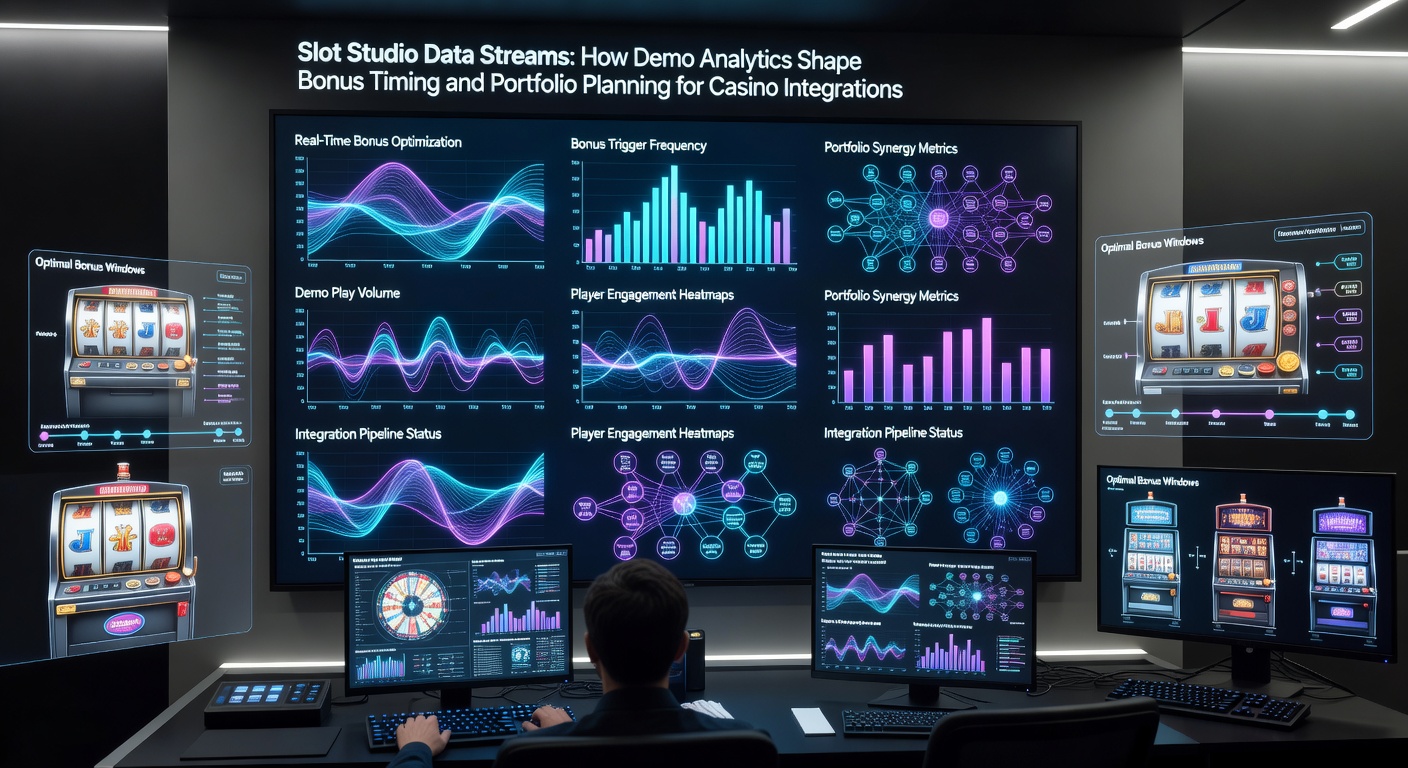
Data streams from slot studio demos feed directly into decisions on bonus timing because they capture precise player interaction patterns across thousands of sessions each week. Researchers track metrics such as session length before first bonus activation, reel spin frequency during free spin sequences, and exit points after failed bonus rounds. These figures reveal optimal windows for bonus triggers that maintain engagement without accelerating credit depletion. Observers note that studios integrate these streams with backend systems to adjust parameters before live casino deployment. In May 2026 several providers released updated integration protocols that incorporated demo-derived timing models, allowing casinos to synchronize bonus events with peak traffic periods identified through aggregated player data.Demo Metrics and Bonus Trigger Calibration
Analytics platforms process demo data in continuous flows that highlight correlations between bet sizing and bonus hit rates. When players consistently abandon sessions after 50 spins without a bonus, studios recalibrate trigger probabilities to occur between 35 and 45 spins on average. This adjustment draws from heatmaps generated during demo testing phases that log every click and wager adjustment.
Casino operators receive these calibrated models through API endpoints that update in real time. Integration teams then test the timing sequences against their own traffic patterns to confirm alignment with regional player preferences documented in separate compliance reports.
Portfolio Planning Through Aggregated Data Insights
Portfolio decisions rely on cross-title comparisons drawn from demo streams because they expose which bonus structures retain users across different volatility levels. Studios compile datasets showing how high-frequency small bonuses perform against infrequent large payouts in terms of total session duration and return-to-player stability. Those comparisons guide the selection of games for specific casino floor placements and promotional calendars.
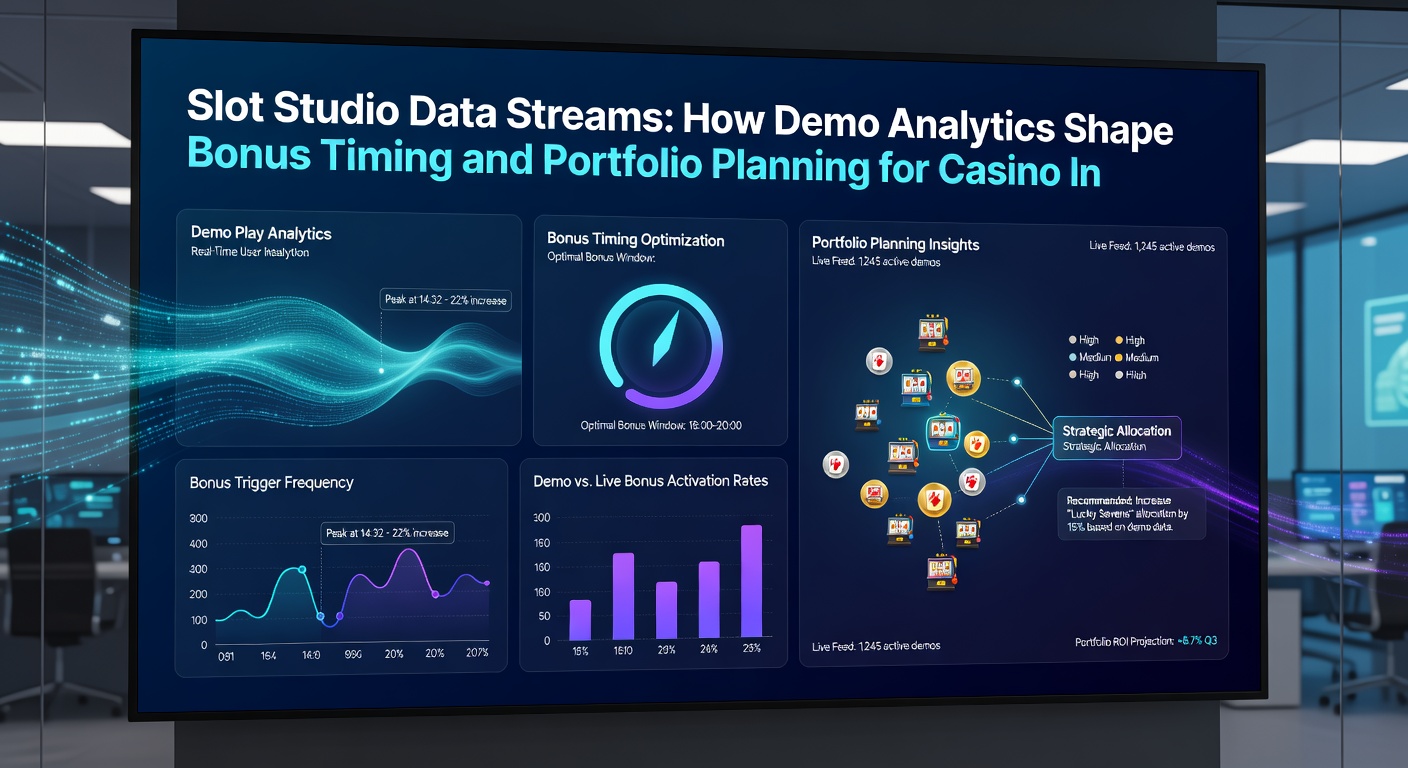
According to reports published by the European Gaming and Betting Association, integration partners increasingly request granular demo analytics before finalizing game lineups. The data includes segmentations by device type and session start time, which help operators forecast revenue contributions from new titles added during scheduled platform updates.
Research from the New Jersey Division of Gaming Enforcement indicates that casinos using demo-informed portfolio models recorded measurable improvements in average revenue per user during the first quarter of 2026. These models prioritize titles whose bonus timing aligns with documented peak play hours rather than relying solely on marketing-driven release schedules.
Integration Workflows and Real-Time Adjustments
Technical teams embed data pipelines that push demo findings into live environments through controlled rollouts. Initial deployments cover limited player cohorts while monitoring subsequent streams for deviations from projected bonus activation rates. Adjustments occur within the same operational cycle when variances exceed predefined thresholds established during pre-launch testing.
Those workflows also incorporate external benchmarks such as regional regulatory filings that detail responsible gaming parameters. Studios cross-reference these filings with internal demo analytics to ensure bonus timing remains within approved ranges before wider casino distribution.
Future Data Integration Patterns
Emerging protocols emphasize machine learning overlays on existing demo streams to predict bonus timing shifts based on evolving player cohorts. Early implementations in 2026 demonstrated that these overlays could forecast session length changes following minor bonus probability tweaks, allowing proactive portfolio refinements ahead of seasonal traffic spikes.
Industry groups continue to standardize data exchange formats so that multiple studios can contribute anonymized demo metrics to shared repositories. This standardization supports more accurate cross-platform comparisons that inform both bonus scheduling and game selection strategies for casino partners worldwide.
Conclusion
Demo analytics streams have become central to determining when bonuses activate and which titles enter casino portfolios because they supply verifiable patterns rather than assumptions. Integration processes now treat these streams as primary inputs that undergo iterative validation against live performance indicators. As data exchange standards mature, the connection between demo testing and operational decisions grows tighter, shaping how studios and casinos coordinate releases throughout 2026 and beyond.