Tracing Bonus Evolution Paths in Developer-Casino Collaborations for Next-Gen Portable Slots
David Keller · Jun 20, 2026
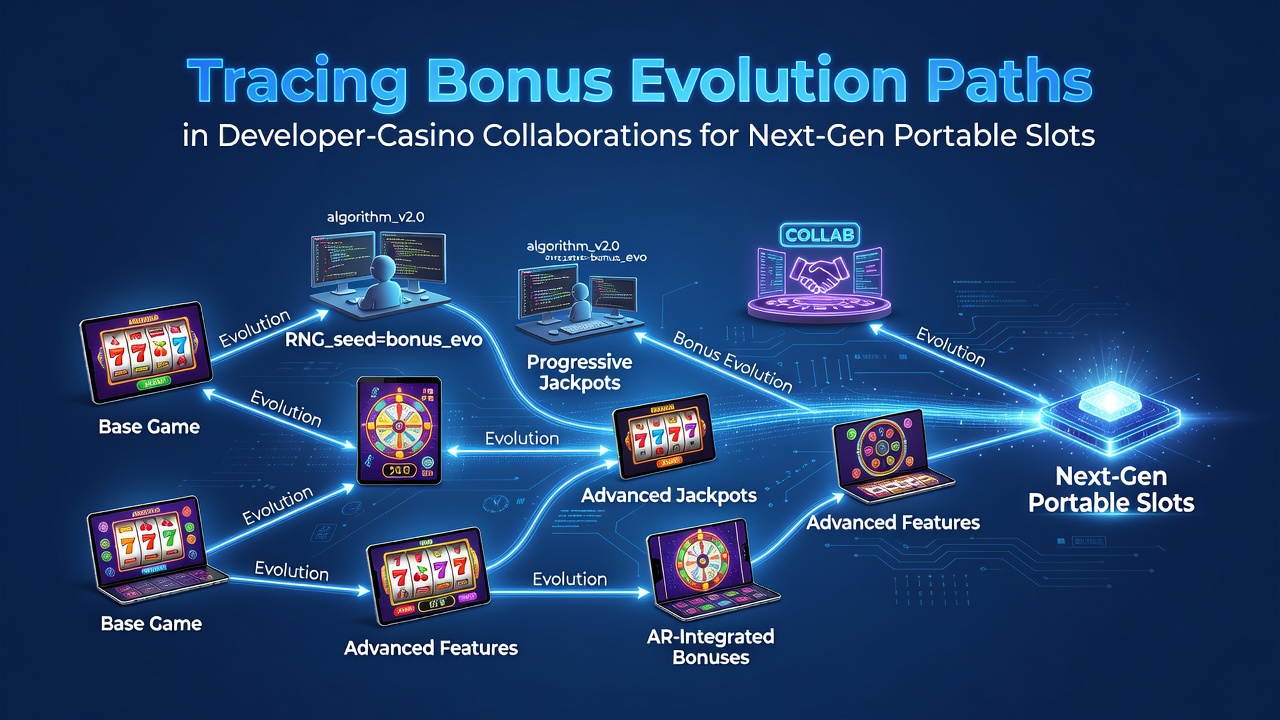
Tracing Bonus Evolution Paths in Developer-Casino Collaborations for Next-Gen Portable Slots
Developers and casino operators have refined bonus structures in portable slots through iterative partnerships that span several years of platform updates and regulatory adjustments. These collaborations trace clear paths from basic free-spin triggers in early mobile titles to layered reward sequences that adapt across devices and player sessions. Data from industry reports shows integration tools now allow real-time adjustments to feature frequency while maintaining consistent return-to-player percentages across networks.
Early Frameworks and Initial Integration Steps
Portable slot development began with straightforward API connections that synced basic bonus triggers between studio engines and casino backends. Those early systems relied on fixed trigger rates and limited customization. Research from academic institutions indicates that by the mid-2010s, studios started embedding HTML5 elements to support variable bonus paths that responded to individual session data. Casinos supplied usage metrics that guided adjustments to multiplier values and scatter combinations, creating the first feedback loops between partners.
One documented case involved a European studio working with multiple operators to test progressive elements across handheld platforms. The partnership produced bonus ladders that scaled with bet size, and similar models later appeared in releases from several providers. Figures released by the European Gaming and Betting Association reveal mobile bonus activation rates rose steadily between 2018 and 2022 as these shared pipelines matured.
Shifts in 2025 and 2026 Collaboration Models
By early 2026, developers and casinos had moved toward modular bonus architectures that permitted independent updates to reward sequences without full game rebuilds. These models use standardized data streams to track feature performance across casino portfolios, allowing operators to request timing changes or new trigger conditions based on retention analytics. In June 2026, several studios released titles featuring adaptive free-spin modes that altered reel weights mid-session according to predefined collaboration rules.
Observers note that these paths often involve joint testing environments where casinos run controlled demo campaigns before full deployment. The process lets both parties examine how bonus frequency affects player dwell time and deposit patterns. One integration project completed in spring 2026 connected a North American operator's player database directly to a studio's feature engine, producing measurable shifts in average bonus round length.
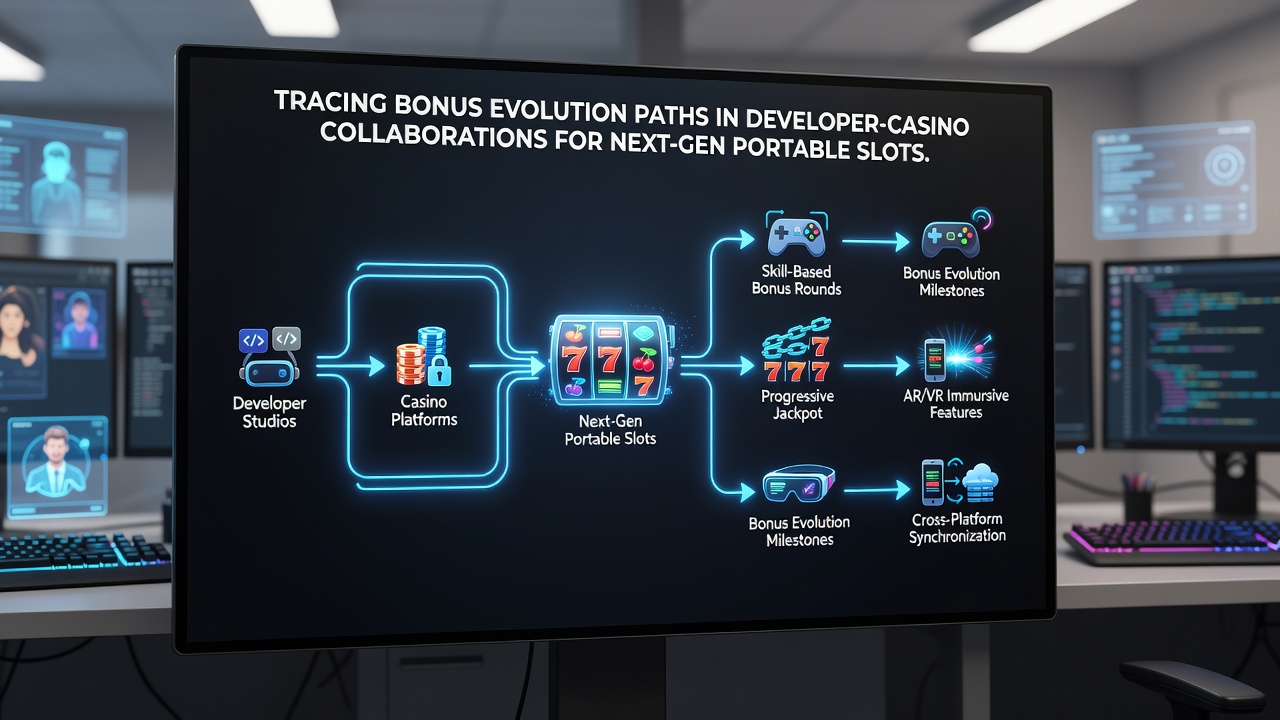
Technical Pathways and Data Exchange Patterns
Current technical routes emphasize secure data exchanges that carry session logs, feature outcomes, and device-specific performance metrics. Developers embed logging hooks that transmit information back to shared dashboards, and casinos apply filters to identify which bonus elements drive engagement. This exchange supports incremental evolution rather than wholesale redesigns, because partners can isolate and refine single components such as respin mechanics or symbol upgrades.
Studies from research groups in Canada highlight that operators using these pipelines achieved more consistent bonus payout distributions across different mobile operating systems. The same reports indicate reduced development cycles when studios and venues maintain open specification documents that define acceptable variation ranges for trigger probabilities and multiplier caps.
Regulatory Influences on Bonus Design
Regulatory frameworks in multiple jurisdictions have shaped how bonuses evolve within collaborative projects. Requirements around transparency and fairness have prompted studios and casinos to document every change to feature logic, creating traceable audit trails. In regions with strict testing mandates, partners now conduct parallel certification processes that verify both the base game and the bonus layers separately before release.
These constraints have encouraged the creation of configurable bonus modules that satisfy different rule sets without requiring separate code branches. Partners share compliance checklists that cover everything from random number generator certification to display of odds information during bonus rounds.
Future Directions in Partnership-Driven Innovation
Looking ahead, the paths traced so far point toward deeper integration of machine-learning components that predict optimal bonus timing based on aggregated player behavior data. Developers and casinos continue to refine shared APIs that support these predictive elements while preserving individual control over specific reward parameters. The pattern established through years of iteration suggests that future portable slots will carry even more granular customization options negotiated between the two sides before launch.
Conclusion
The documented progression of bonus features in next-generation portable slots reflects sustained cooperation between developers and casino operators. Through successive technical refinements and shared data practices, these partnerships have produced adaptable reward systems that meet evolving platform and regulatory demands. Continued focus on modular designs and transparent metrics indicates the same collaborative model will guide further developments through the remainder of 2026 and beyond.